
 Language


What is cork wood
Cork, commonly known as water pine, cork, or cork bark, is a highly developed outer skin product of tree species, serving as a surface protective tissue for stems and roots after thickening and growth. This structure endows cork with excellent elasticity, sealing, thermal insulation, sound insulation, electrical insulation, and friction resistance. In addition, it has the advantages of being odorless, having a low specific gravity, soft to the touch, and not easily catching fire. To this day, no artificial product can compare to it.
In terms of chemical properties, a mixture of esters formed by several hydroxy fatty acids and phenolic acids is a characteristic component of cork, collectively known as cork resin. This type of substance is resistant to decay and chemical erosion, so it has no chemical effect on water, oil, gasoline, organic acids, salts, esters, etc. except for corroding concentrated nitric acid, concentrated sulfuric acid, ammonia, iodine, etc. It has a wide range of applications, such as making bottle stoppers, insulation layers for refrigeration equipment, lifebuoys, soundproofing boards, etc.
Cork wood refers to coniferous wood produced by trees of the pine and cypress plant phylum, including pine, spruce, cedar, fir, larch, Douglas fir, hemlock, cypress, etc. Because its texture is relatively soft compared to broad-leaved wood. Cork wood and hardwood wood can be distinguished by their small structures, mainly due to the lack of conduits for water transport in cork. The structure is usually simple and consistent, consisting only of two types of cells: tracheids and thin-walled tissues. Cork is commonly used in structural components of buildings, as well as in woodworking products such as casting molds, doors, windows, etc. for furniture and factories. Cork is also the main raw material for papermaking and the manufacture of fiberboard.
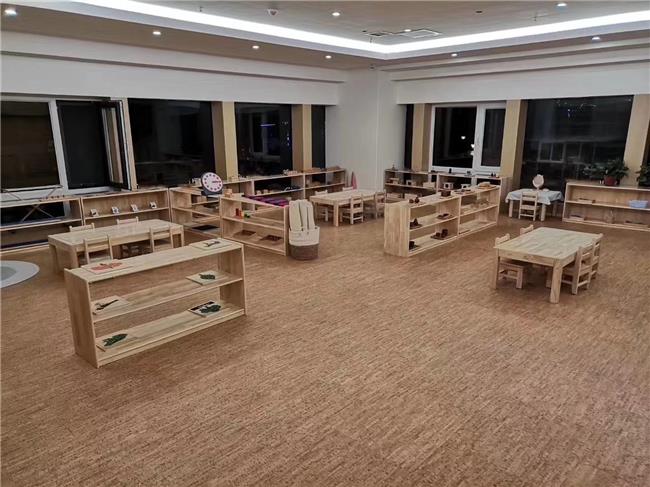
Cork, commonly known as water pine, cork, or cork bark, is a highly developed outer skin product of tree species, serving as a surface protective tissue for stems and roots after thickening and growth. This structure endows cork with excellent elasticity, sealing, thermal insulation, sound insulation, electrical insulation, and friction resistance. In addition, it has the advantages of being odorless, having a low specific gravity, soft to the touch, and not easily catching fire. To this day, no artificial product can compare to it. In terms of chemical properties, a mixture of esters formed by several hydroxy fatty acids and phenolic acids is a characteristic component of cork, collectively known as cork resin. This type of substance is resistant to decay and chemical erosion, so it has no chemical effect on water, oil, gasoline, organic acids, salts, esters, etc. except for corroding concentrated nitric acid, concentrated sulfuric acid, chlorine, iodine, etc. It has a wide range of applications, such as making bottle stoppers, insulation layers for refrigeration equipment, lifebuoys, soundproofing boards, etc.
Cork wood refers to coniferous wood produced by trees of the pine and cypress plant phylum, including pine, spruce, cedar, fir, larch, Douglas fir, hemlock, cypress, etc. Because its texture is relatively soft compared to broad-leaved wood. Cork wood and hardwood wood can be distinguished by their small structures, mainly due to the lack of conduits for water transport in cork. The structure is usually simple and consistent, consisting only of two types of cells: tracheids and thin-walled tissues. Cork is commonly used in structural components of buildings, as well as in woodworking products such as casting molds, doors, windows, etc. for furniture and factories. Cork is also the main raw material for papermaking and the manufacture of fiberboard.
The above is the classification of cork wood shared by Xi'an Zhonglin Cork Technology. If you want to learn more, please feel free to consult Xi'an Zhonglin Cork!